
Investing in a solar panel or two for your home is an exciting way to upgrade your home and help the environment. However, a new system can set you back significantly. Breaking down what you’re paying in 2026 when you switch to this renewable energy can help you prepare for the costs and determine ways to reduce them.
Understanding Your Total System Costs
Installing solar panels on your roof gives your home a personal, independent power plant. It allows you to convert daylight into usable power to run your household appliances and other electronics.
Why the Costs Are Custom
Every solar panel system is custom-designed for the house it sits on. The price quote you receive from a solar company depends on how much power your household uses daily. A family of five that constantly runs the central air conditioning will need a larger, more expensive system than a couple who spend most of their time outside the house.
Look at your past energy bills to gauge how much power your home consumes. Your solar setup must be able to handle the heavy hitters in your home, like running the fridge 24/7, powering the water heater and keeping the lights on.
To give you a baseline, the average American home consumes roughly 10,500 kilowatt-hours of electricity per year. Your system must be sized accurately to meet or exceed that demand.
Solar Setup Inclusions and Savings
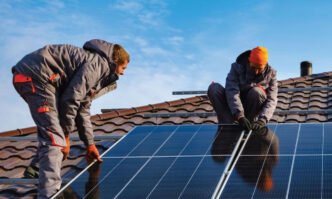
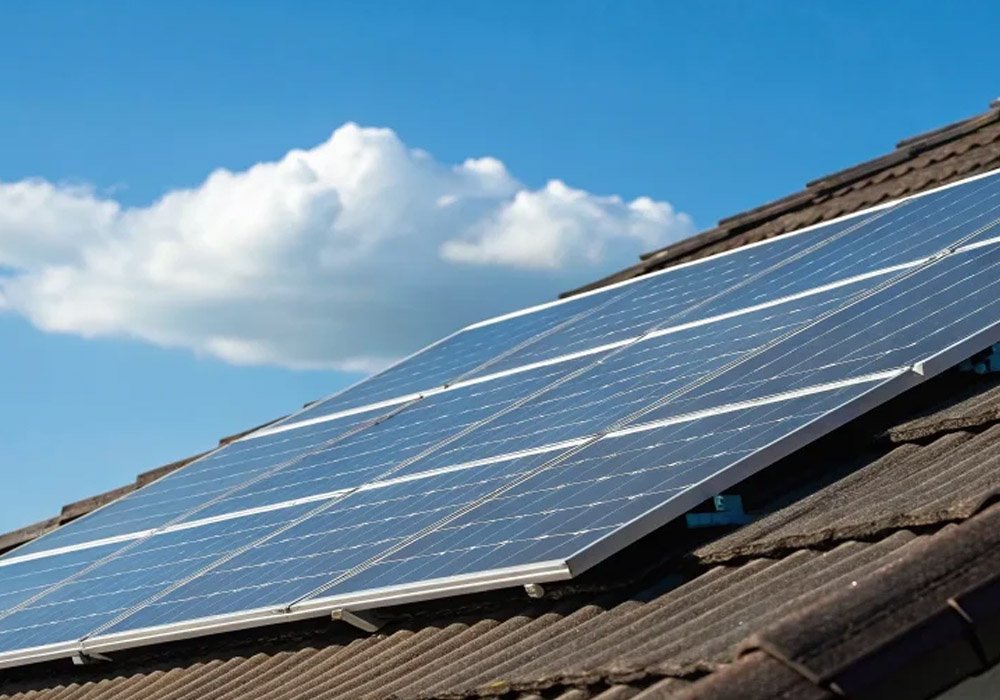
A solar setup typically includes sleek glass panels, the metal mounting racks that hold them to your roof and the inverter that converts sunlight to usable power. However, hardware is only part of the bill. A chunk of your quote goes toward soft costs, like official safety permits, engineering designs and the service fee of the crew that’ll haul up the heavy equipment and install it on your roof.
Think of the initial cost as an investment. Switching to renewable energy can save you money, even after you account for the monthly payment on your new solar panels. Many households see an overall net savings of $691 annually when factoring in their off-bill financial impacts.
Practical Ways to Lower Your Installation Expenses
The initial sticker price you get from a solar company isn’t always set in stone. You might be able to slash those expenses and keep more money in your pocket with these strategies.
Handle the Racking Installation Yourself
Paying a professional crew to climb up your roof and set up the system accounts for a massive chunk of your total solar bill. If you have construction experience, why not install the solar racking system yourself to reduce labor costs?
Map out the system’s location, and ensure the first rafter lies at a maximum of 18” from the array’s edge. Then follow the measurements and installation method dictated by the plans for the additional attachments. Be precise when drilling into your roof. Doing it incorrectly can lead to severe water damage and leaks, which can cost you more in the long run.
Leverage Local Tax Credits and Rebates
You don’t have to shoulder the financial burden alone. Many states and local governments offer rebates, property tax exemptions and incentives to make renewable energy more affordable for the average homeowner. Check your municipality’s website or speak with a local tax professional before signing a contract. Ensure you aren’t leaving free money on the table.
Compare Accurate Quotes and Tools
Don’t settle for the first quote you receive. Use certified online apps and calculators to estimate your potential solar savings after the switch. Many of these technologies also let you connect directly with pre-screened local installers and determine which system fits your budget. Comparing your options side by side with these tools often results in a much better deal than traditional shopping methods.
Making the Right Energy Choice for Your Home
Deciding to go solar in 2026 requires a significant initial investment, but it can be a highly rewarding financial move in the long term. Be strategic. Look for local rebates and take on DIY projects to control your energy costs. Review your energy bills today to take the first step toward a greener, more affordable home.