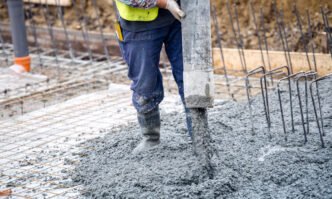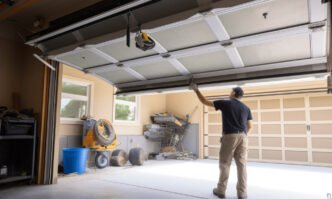



Construction equipment failure during a big pour or tight excavation schedule creates an instant crisis. Project delays cost money, but rushing to fix the issue can have far worse consequences. Handling equipment failure requires a calm, step-by-step approach to protect your crew and your bottom line.
Immediate Steps to Secure the Jobsite
A rushed reaction to a breakdown significantly increases the risk of severe site accidents. Regain control safely with these steps.
1. Power Down the Machinery
The operator must immediately shut off the engine and engage the parking brake, if the machine has one, as soon as they hear a strange noise or feel a loss of power. They should also lower any unit attachments to the ground.
In 2020, construction sites recorded 14,000 nonfatal injuries from struck-by incidents. Shutting off the power prevents the equipment from lurching forward or swinging into a nearby worker.
2. Set a Safety Perimeter
Clear all nonessential crew members away from the broken machinery immediately. Use caution tape, traffic cones or barriers to create a clear no-go zone around the equipment.
Around one in five workplace fatalities in the construction industry involves falls, slips and trips. If a dump truck blows a tire and spills oil, a proper perimeter keeps other workers from rushing in, slipping on the slick surface and getting seriously hurt before the mess is cleaned up.
3. Implement Lockout and Tagout Procedures
Lockout and tagout involves securing the asset so nobody can turn it on while someone inspects or repairs it. Removing the keys and placing a visible warning tag on the steering wheel or ignition switch are usually enough.
Another worker returning from a lunch break might not realize the equipment is broken and could hop in and try to start it. A tag protects the mechanic or operator from the dangers of using the faulty machine.
How to Assess the Mechanical Issue
Once your crew powers down the equipment and secures the area, you can begin figuring out what went wrong.
- Conduct a visual inspection: Look for obvious signs of failure, such as blown hydraulic lines, leaking fluids or smoking components.
- Check for warning lights and codes: Review the dashboard for error codes and cross-reference them with the operator’s manual.
- Consult a certified professional: Complex electrical or hydraulic systems require specialized training, so calling an expert prevents further damage.
Preventing Future Breakdowns With Predictive Maintenance
Modern construction fleets are now using data and usage patterns to address problems before they cause a mid-project shutdown. Instead of waiting for a part to snap, a predictive system alerts you that a specific asset is running hot or vibrating unusually. This allows you to service it over the weekend without losing any project time.
When you prioritize high-risk units using actual data, you can prevent unexpected breakdowns and keep your project on track.
Where to Rent Replacement Equipment Fast
When a critical piece goes down, securing a replacement keeps the project timeline intact. Consider these construction equipment rental providers.
Foley Rents
Foley Rents serves contractors across New Jersey with construction equipment rentals for short-term and longer-term project needs. If a power systems unit needs replacing, the company can buy used power equipment for cash or accept it as a trade-in toward another purchase. Foley Rents also sells power systems equipment for contractors looking to replace or upgrade existing units.
Key Features:
- Emergency rentals and field service run 24/7 to keep your project moving
- Offers long-term, short-term, and multi-unit equipment rental arrangements
- Rent-to-own agreements and try-before-you-buy programs allow you to test heavy machinery before committing
Texas First Rentals
Contractors in the Southwest can find a strong option with Texas First Rentals. The company offers a massive fleet of machines with daily, weekly and long-term rental options. This makes it easy to secure temporary equipment quickly and minimize delays.
Key Features:
- Round-the-clock support and same-day delivery keep critical work online when your owned assets fail unexpectedly
- Over 40 locations across Central, North and South Texas
- Provides an optional coverage plan that protects your rented equipment from ordinary accidental damage and theft
Frequently Asked Questions
When equipment goes down mid-project, contractors face urgent decisions about how to respond and recover.
What is the first thing you should do when heavy equipment breaks down?
Power off the engine, engage the parking brake and lower any attachments before doing anything else. Then, establish a safety perimeter and apply lockout and tagout tags to ensure nobody can accidentally start the asset before mechanics inspect it.
How can you reduce construction equipment downtime?
Proactive maintenance strategies are your best defense against prolonged downtime. Use predictive tools to monitor real-time performance indicators, such as temperature spikes and unusual vibrations, and address potential issues.
Is it better to repair or rent replacement construction equipment?
When a repair estimate exceeds a few hours, securing a rental replacement almost always makes better financial sense. The cost of idle crew members and missed deadlines usually outweighs the daily rate of a rental machine. Renting gives you the breathing room to assess and fix your broken equipment.
Keep Your Project Moving
Construction equipment failure is an inevitable part of the job. What separates a successful project manager from a struggling one is how they react when the engine cuts out. Partner with a reliable rental partner and implement predictive maintenance systems to catch problems early.