
Climate change is reshaping the built environment, and the construction industry can no longer afford to design buildings based solely on historical weather patterns. As temperatures rise, storms become more intense and energy demands continue to grow, making climate-adaptive design an essential part of every new build, not just a desirable feature.
By planning for the conditions buildings are likely to face throughout their lifespan, developers create structures that are safer, more efficient and more resilient for decades to come.
Buildings Need to Perform in a Different Climate
The climate that many buildings were originally designed for is changing. Heat waves are becoming longer and more frequent in many regions, while heavy rainfall, flooding, high winds and drought are creating new challenges that can shorten the lifespan of buildings and increase maintenance costs.
Designing with these changing conditions in mind helps ensure that buildings continue to perform as intended, rather than requiring expensive upgrades just a few years after construction. A resilient building is better equipped to protect its occupants, maintain comfortable indoor conditions and withstand increasingly unpredictable weather.
Climate Adaptation Goes Beyond Energy Efficiency
Energy-efficient buildings remain an important goal, but climate adaptation extends well beyond lowering electricity bills. It focuses on ensuring that buildings continue operating effectively even as environmental conditions become more demanding.
This means considering passive cooling, natural ventilation, flood-resistant construction, water conservation, durable materials and landscape design from the very beginning of the project. These strategies work together to improve sustainability and long-term resilience rather than addressing only one aspect of building performance.
Keeping Buildings Cooler Starts at the Top
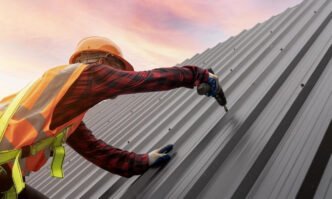
One of the simplest ways to improve a building’s resilience is to reduce the heat it absorbs through the roof. Traditional dark roofing materials can become extremely hot in sunny weather, transferring significant heat into the building below and increasing the need for air conditioning.
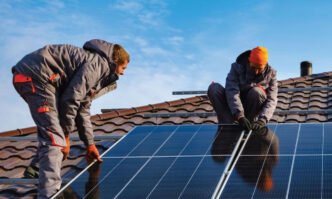
Cool roofs are specifically designed to reflect more sunlight and absorb less heat than conventional roofing systems. Scientific studies have shown that cool roofs can decrease the temperature of a building by as much as 50° Fahrenheit. This helps lower indoor temperatures, reduce cooling costs, improve occupant comfort and extend the lifespan of roofing materials by limiting thermal stress.
Water Management Is Becoming More Important
Changing rainfall patterns mean many communities are dealing with heavier downpours and longer dry spells throughout the year. New developments must be designed to manage excess water during storms, while making better use of available water during periods of drought.
Features such as permeable paving, rain gardens, bioswales, detention ponds and rainwater harvesting systems all contribute to smarter water management. These solutions help reduce flooding, protect nearby waterways, support groundwater recharge and lessen the burden on municipal drainage infrastructure.
Durable Materials Deliver Long-Term Value
Climate-adaptive design also involves selecting construction materials that can withstand increasingly demanding environmental conditions and changing climates. Extreme heat, moisture, UV exposure and repeated temperature fluctuations can all accelerate wear if materials aren’t chosen carefully.
Builders are increasingly turning to products that resist corrosion, moisture intrusion and thermal expansion while requiring less maintenance over time. Although some of these materials may involve higher up-front costs, they often reduce repair expenses and improve building performance throughout the structure’s lifespan.
Landscaping Plays a Bigger Role Than Many Realize
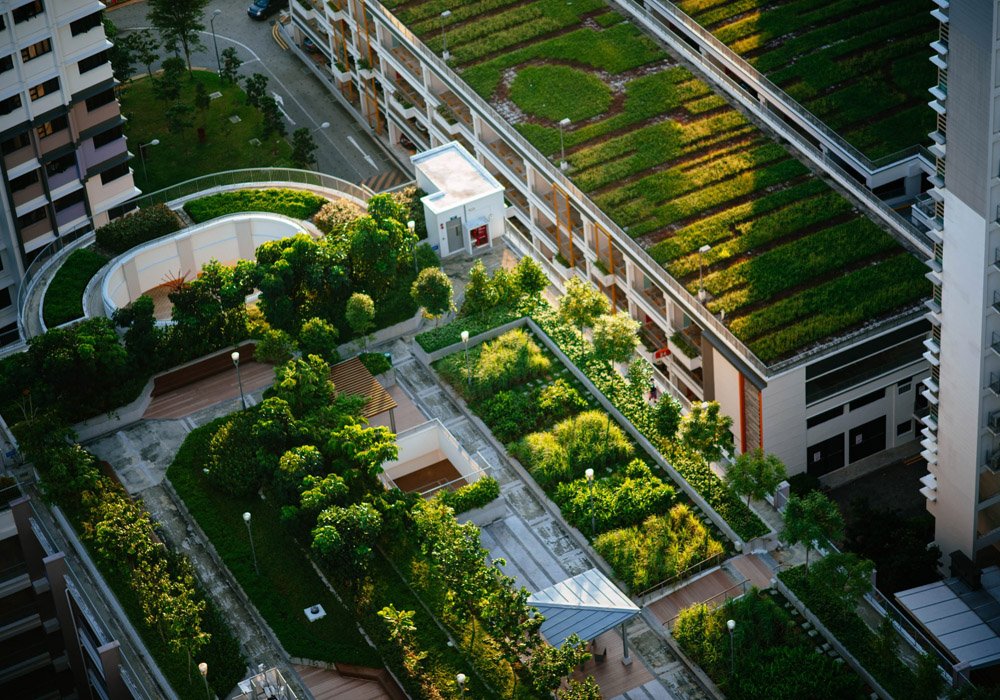
A building’s surrounding landscape can significantly influence its climate-resistance and energy performance. Trees provide natural shade that helps reduce temperatures in the surrounding area. Native plants generally require less irrigation because they’re already adapted to local climate conditions.
Well-designed landscaping also improves stormwater management by increasing water absorption and reducing runoff. At the same time, green spaces help combat the urban heat island effect and create healthier, more comfortable outdoor environments for building occupants.
Healthy Buildings Support Healthy Occupants
Climate-adaptive design benefits the people inside the building as much as the building itself. Excessive indoor heat, poor ventilation and uncontrolled humidity can all affect comfort, productivity and overall well-being.
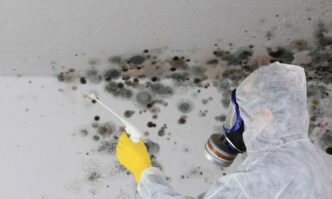
Incorporating natural ventilation, improved insulation, effective shading, moisture control and high-performing building envelopes creates healthier indoor spaces throughout the year. These design choices become especially valuable during periods of extreme weather when maintaining comfortable indoor conditions is more challenging.
Climate-Adaptive Design Is the New Standard
Climate-adaptive design is no longer a niche concept reserved for ambitious sustainability projects. It has become a practical necessity for creating buildings that can meet modern environmental challenges while remaining comfortable, efficient and cost-effective for years to come.