
You notice it gradually. The mirror looks a little sharper than it used to, office lighting feels less forgiving, and one day those faint lines near your eyes seem more settled than before. Most people have that quiet moment. Nothing dramatic happens. It is just the slow awareness that time shows up on the face.
In Tullahoma, people pay attention to these small changes more than some might expect. Conversations about health, skin care, and appearance come up often. Cosmetic treatment clinics are no longer unusual there. For many residents, visiting one simply feels like another step in taking care of themselves.
The Appeal of Treatments That Do Not Interrupt Life
Many people hesitate at the thought of cosmetic surgery, mostly because it demands time, recovery, and a noticeable pause from daily life. Swelling, healing periods, and days away from work can feel like too much disruption. Non-surgical treatments appeal for a simpler reason. They usually fit into an ordinary schedule. Someone might stop by a clinic after work or during a lunch break and return to the day without much interruption. That kind of convenience matters. Life already runs busy for most people. Smaller treatments also feel less intimidating, since they avoid operating rooms and long recovery plans. For many patients, that difference makes the decision easier.
Why People Seek Professional Cosmetic Care
There is also a shift in how people think about skin and appearance. Years ago, cosmetic treatments were often viewed as extreme measures taken only when someone wanted a dramatic change. That mindset has softened over time. Now, finding a reliable med spa in Tullahoma isn’t difficult, considering how conscious people around the area have become about their appearances.
Today, many people approach cosmetic treatments the same way they approach dental care or skincare routines. They see them as maintenance rather than transformation. The goal is not to look like someone else. The goal is usually to look rested, balanced, or a little fresher than last month.
When people first start exploring these treatments, they often look for clinics that provide a calm environment and medically supervised care, where cosmetic procedures are handled within a clinical framework rather than a purely beauty-focused one. That distinction tends to matter to patients who want treatments guided by medical knowledge rather than trends.
Small Changes Instead of Dramatic Ones
Non-surgical treatments have become popular partly because the changes tend to appear slowly and naturally. Most procedures aim to soften features rather than reshape a person’s face entirely. Injections may relax certain muscles, which can ease the look of wrinkles while still allowing normal expression. Fillers restore volume where skin has thinned, and laser treatments often help improve texture by encouraging the skin to renew itself. The results are usually subtle. People might notice that someone looks more rested or refreshed, though they cannot quite say why. For many patients, that quiet improvement feels far more comfortable than a dramatic, obvious change.
The Influence of Modern Work Culture
Workplace expectations also play a quiet role in this trend. Many professionals spend long hours on video calls now. Cameras and bright screens tend to highlight small facial details that might not have been noticeable before. When someone sees their own face on screen multiple times each day, they become more aware of features like under-eye shadows or expression lines. It is not necessarily vanity. It is simply exposure.
Non-surgical treatments offer a way to address these concerns without drawing attention in the workplace. Recovery is minimal, and the results usually appear natural enough that colleagues rarely comment. People want to look like themselves. Just a slightly rested version.
Technology Has Changed the Experience
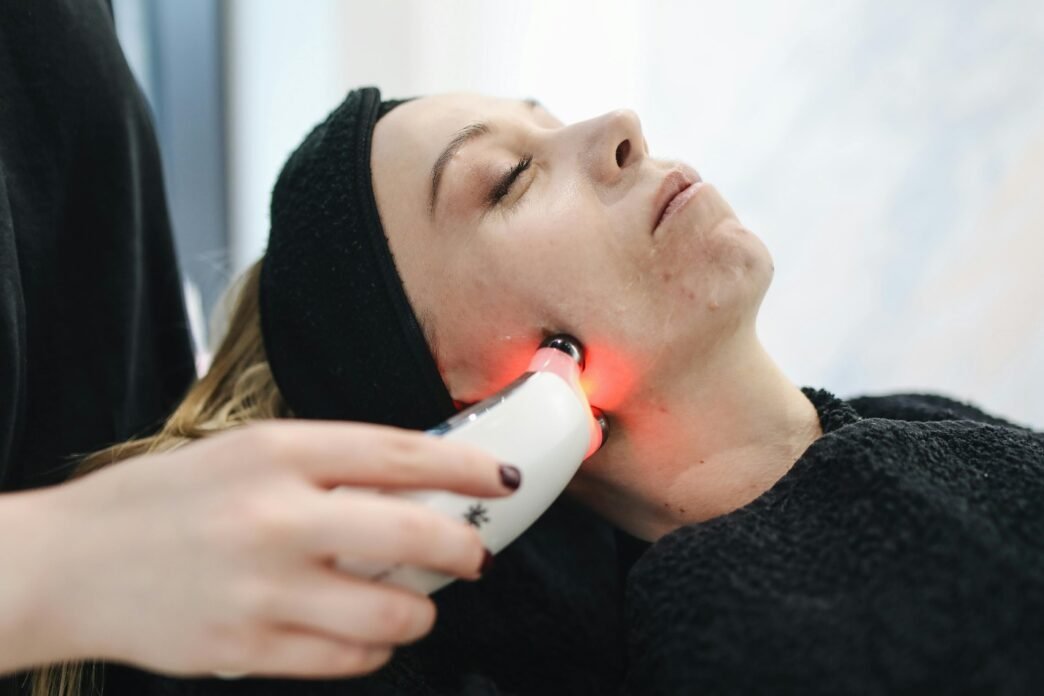
Cosmetic treatments today are very different from what existed two decades ago. Advances in dermatology and aesthetic medicine have produced tools that are more precise and predictable. Lasers can target specific layers of skin. Injectable treatments are formulated to behave in controlled ways under the skin. Even diagnostic imaging has improved, allowing practitioners to examine skin structure more carefully before treatment begins.
Because of this, procedures that once felt experimental now feel routine in many clinics. Safety standards have also improved, with licensed professionals following strict medical protocols. Patients notice this difference. It builds trust.
The Emotional Side of Cosmetic Care
Although cosmetic treatments often focus on physical changes, the emotional side is difficult to ignore. People tend to feel more comfortable in social situations when they feel good about their appearance.
That confidence is not about chasing perfection. It is usually about removing small distractions. When someone stops worrying about how tired their skin looks, they tend to focus more easily on the conversation happening in front of them. Some patients describe the effect as subtle relief. They feel more like themselves again. That reaction might sound simple, but it explains why many people return for maintenance treatments after their first visit.
The growing interest in non-surgical cosmetic treatments shows a shift in what people want from personal care. Most are not chasing dramatic change. They prefer treatments that fit into everyday life and feel medically guided. Clinics have adjusted by offering shorter procedures and minimal recovery. The aim is simple. Support natural appearance rather than replace it. For many people, small improvements are enough to feel more comfortable in their own skin.