

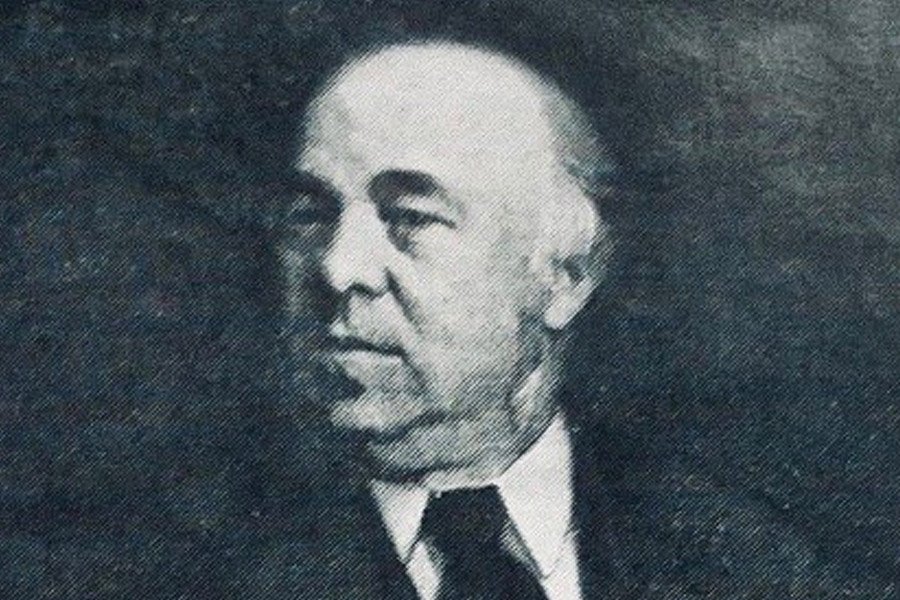
Basic Information
| Field | Detail |
|---|---|
| Full name (as used here) | George Philip Gein |
| Birth / Death | 4 August 1873 — 1 April 1940 (reported in biographical and genealogical accounts) |
| Primary residence | Plainfield area, Wisconsin (family farm, ~155 acres reported in family accounts) |
| Occupations (reported) | Carpenter; tanner; small grocery/retail; farm owner/operator; local fire department service |
| Spouse | Augusta Wilhelmine Gein (née Lehrke) |
| Children | Henry (older son); Edward Theodore “Ed” Gein (younger son, born 27 Aug 1906) |
| Notable traits in records | Small-town tradesman, farmer, family patriarch; reported struggles with alcohol and difficult family dynamics |
I’ll be honest with you up front: writing about George Philip Gein feels a little like walking up a gravel lane toward a weathered farmhouse at dusk—you can see the silhouette, smell the cut hay, and hear one story echoing off the porch, but the full interior is shadowed. My aim here is to set down the parts we consistently find in the record, add a bit of the texture you don’t get from an index card, and introduce the family who lived—and labored—around him.
Early life and the man as recorded by history
George Philip Gein is recorded in multiple family-history notices as born in 1873 and dying in 1940. Those two dates frame a life that spanned 67 years—decades of regional change in rural Wisconsin: horse teams giving way to tractors, wood stoves to coal, small town shops to consolidated stores. In the dry language of archives he appears as a tradesman and tenant/farm-owner; in the softer language of local recollection he is a working man who held a number of hands-on jobs—carpenter, tanner, and reportedly a small grocery or service business. A farmer’s life is counted in acres and seasons: the family farm is reported at about 155 acres, a practical number that tells you this was not an aristocratic estate but a working patch of land that required constant labor and seasonal calculation.
Marriage, family rhythms, and numbers that matter
George married Augusta Wilhelmine Lehrke, who was born in 1878; together they raised two sons—Henry, the elder, and Edward (Ed), who was born 27 August 1906. That family unit—two parents, two boys—would function for years in a tightly woven, sometimes fraught rhythm. The record often notes Augusta’s religious strictness and influence over the household; George’s role is sketched as the provider whose own struggles—reports of heavy drinking appear in multiple accounts—complicated the family dynamic.
| Family member | Role | Year of birth / death (when reported) |
|---|---|---|
| George Philip Gein | Father, tradesman, farmer | 1873–1940 |
| Augusta Wilhelmine Gein (Lehrke) | Mother, domestic authority | b. 1878 (reported) |
| Henry Gein | Older son | (dates vary in records; elder sibling) |
| Edward “Ed” Gein | Younger son; later infamous for crimes | b. 27 Aug 1906 |
Numbers matter here—the dates, the acre-count, the years of life—because they anchor a narrative that could otherwise drift into rumor. The 155-acre figure, the two sons, the 1906 birthdate: those are the pegs from which other stories hang.
Work, money, and the ledger nobody left behind
The surviving sketch of George’s economic life is the sort of thing historians call “qualitative” rather than a bank statement. He is described as a carpenter and tanner by trade at different points, a small-business operator in town, and later the man who ran a family farm. There is no public “net worth” figure for him; this was a working-class life—tools, timber, livestock, a grocery counter—measured in implements and seasons rather than stock portfolios and ledgers. If you picture it cinematically, think: weathered hands, a ledger with entries for seed and feed, a till that closes at dusk.
Personality, pressures, and the private textures of a household
If you read family recollections—careful, because memory is a tricky witness—you get a layered portrait: a father who worked physical jobs, a mother who held the moral center of the household, and boys raised under strict rules and local gossip. Accounts that circle around George often include the phrase “struggled with alcohol”; that detail is offered to explain, not excuse, the tensions inside the home. The phrase “family dynamics” in this context means authority, shame, duty, and the grinding economic realities of rural Midwestern life in the early 20th century.
The Plainfield farm as a stage
That 155-acre farm was not a mere backdrop—it was the stage where daily life played out, where work and discipline, food and scarcity, silence and argument took form. Farms of that size demanded constant management—livestock, fields, repairs, winter preparations—and they shaped character: practicality, resourcefulness, and sometimes a private hardness. Imagine a kitchen table where calculations were done for next year’s seed, where two boys listened and learned how the world’s economy could be unforgiving.
Legacy, memory, and why a name like George’s gets pulled into larger stories
George’s name enters modern attention largely because of his son Edward’s later crimes; the family background becomes a key piece in the public attempt to explain a terrible story. That doesn’t mean George is reducible to footnote status—rather, his life is both context and caution: context because family history matters; caution because people are complicated and the forces that shape one generation are rarely simple. In popular culture, the family farm and the weight of upbringing have become shorthand in true-crime retellings, pop culture analogies, and fictional worlds—think of how a quiet farmhouse can become the setting for a psychological thriller, as in films that riff on Midwestern isolation.
FAQ
Who was George Philip Gein?
George Philip Gein was a Wisconsin tradesman and farmer (reported birth 4 Aug 1873, death 1 Apr 1940) known today primarily as the father of Edward “Ed” Gein.
What did George do for a living?
Reported occupations include carpenter, tanner, small grocery operator, and farm owner/operator—work typical of a rural craftsman and small-business family man.
Who were his immediate family members?
He was married to Augusta Wilhelmine Gein (née Lehrke) and had two sons, Henry (the elder) and Edward “Ed” Gein (born 27 Aug 1906).
Did George have financial wealth?
There is no reliable public record stating a “net worth”; descriptions point to a working-class life centered on trades and a roughly 155-acre family farm.
Was George involved in his son’s later crimes?
No records indicate George’s involvement in any criminal acts; historical mentions of him are primarily about family background and occupation.
What were the main tensions in the Gein household?
Accounts mention strict religious and domestic discipline from the mother and reports of George’s struggles with alcohol, factors often cited in discussions of family dynamics.
Where did the Gein family live?
The family lived in the Plainfield area of Wisconsin on a farm that is commonly reported to have been about 155 acres.
Are there surviving records about George’s parents?
Genealogical databases and family trees list possible parents for George, but such entries are treated as leads rather than fully verified archival proof.
Why does George’s name come up in pop culture?
George’s name is cited mainly because of his relation to Ed Gein; the family’s Midwestern farm life has been used as background in true-crime narratives and cultural retellings that explore origin stories.
How should we remember him?
Remember him as a human figure in a rural American story—someone who worked with his hands, lived by seasonal rhythms, and whose private life became part of a much larger, more tragic public narrative.